

Microsoft’s Bold AI Infrastructure Investment Fuels Next-Gen Nvidia H100 Computing Clusters

Microsoft’s Bold AI Infrastructure Investment Fuels Next-Gen Nvidia H100 Computing Clusters
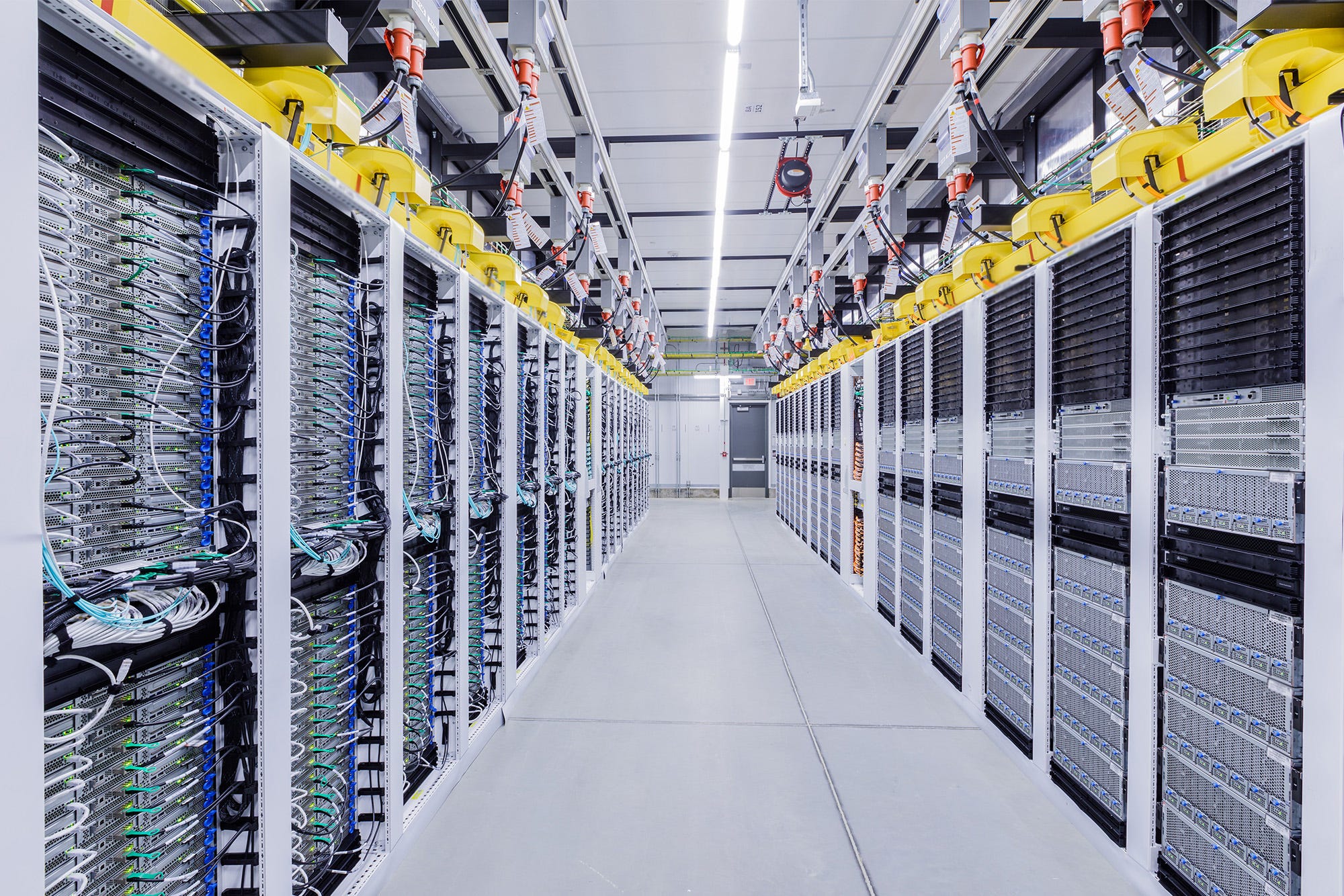
Microsoft has announced a significant expansion of its artificial intelligence infrastructure, driven by a commitment to boosting its ability to develop and train advanced language models. This move comes after a high-level company meeting where the head of AI, Mustafa Suleyman, outlined a strategic vision: investing substantial capital into state-of-the-art computing clusters specifically designed for internal model training. The plan directly addresses the company’s aspirations to strengthen its position within the generative AI field and to deliver a wider array of language-based capabilities to its customer base.
This newfound focus on internal capacity is set against a backdrop of the tech industry’s escalating demand for specialized compute resources. The company is not only scaling up its hardware but also intends to maintain a balanced approach by working alongside external developers. The goal is both to foster self-sufficiency and to preserve diversity and flexibility across its AI offerings, enabling seamless integration of in-house systems and third-party innovations. Such an approach positions Microsoft to assert greater control over its AI development pipeline while retaining access to evolving technologies from the broader ecosystem.
How Figure AI’s F.03 Humanoid Robot Is Revolutionizing Homes and Factories with Advanced Robotics
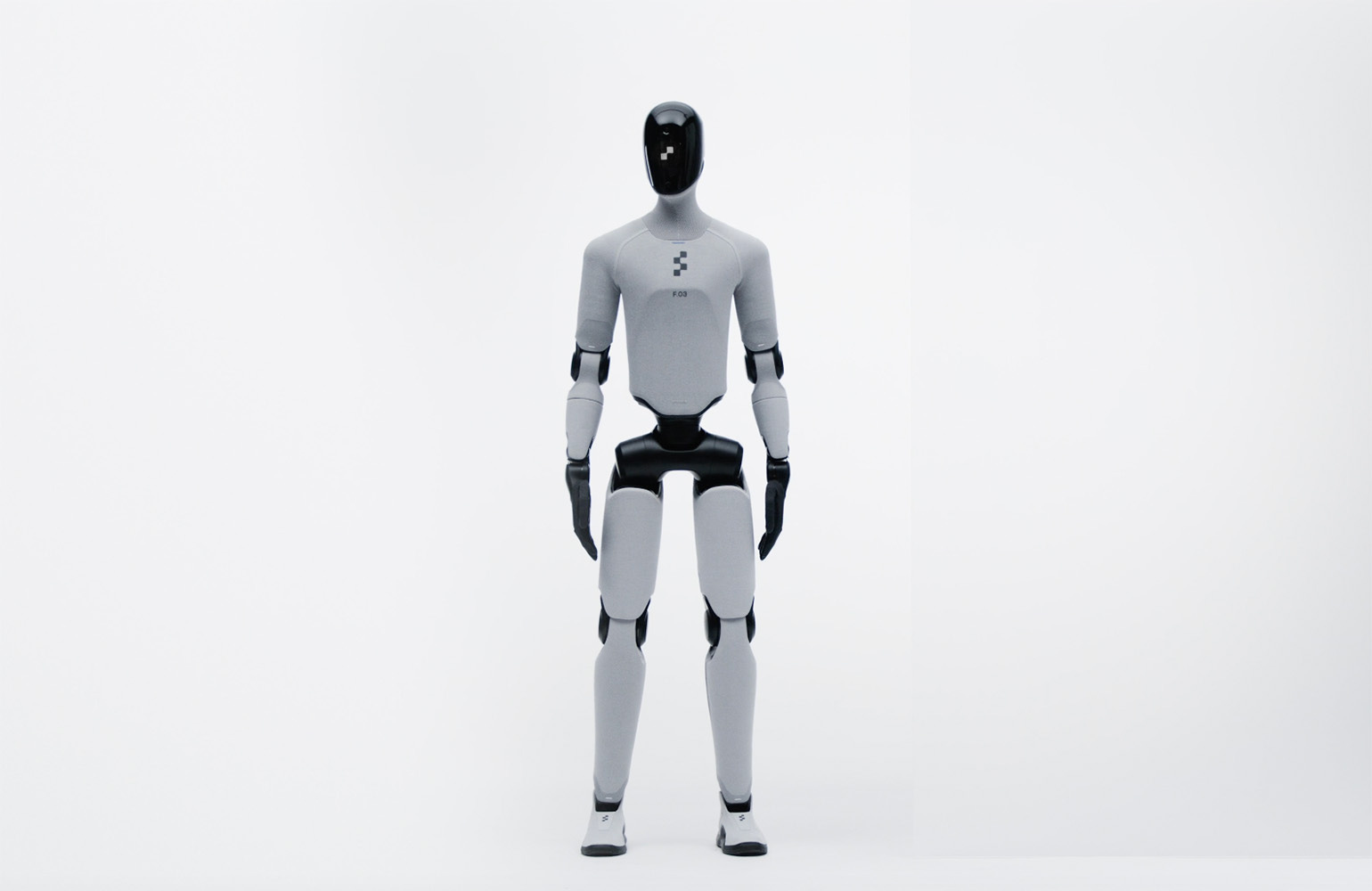
Figure AI has officially revealed its latest creation: the F.03, a third-generation humanoid robot built from the ground up for everyday environments—residences, workplaces, and beyond. This marks a defining leap forward in both machine intelligence and manufacturability, pushing the boundaries of what’s possible with autonomous robotics. The company is not just aiming for technical breakthroughs; it’s engineering for real-world scale, announcing plans to manufacture up to 12,000 units annually, with an ambitious target of 100,000 robots assembled over the next four years.
Unlike its predecessors, the new F.03 is wrapped in soft, textile-based coverings rather than hard-shell components. This shift isn’t merely cosmetic; it’s a deliberate safety strategy, designed to minimize pinch hazards and create a more approachable, human-like presence in shared spaces. The use of multi-density foam further enhances protection, especially in households and offices where close human-robot interaction is essential. This choice signals a fundamental departure from traditional industrial robotics, prioritizing both safety and aesthetics for mass adoption.
Lisa Su Declares High Performance Computing Redefined by AI in Landmark AMD OpenAI Partnership
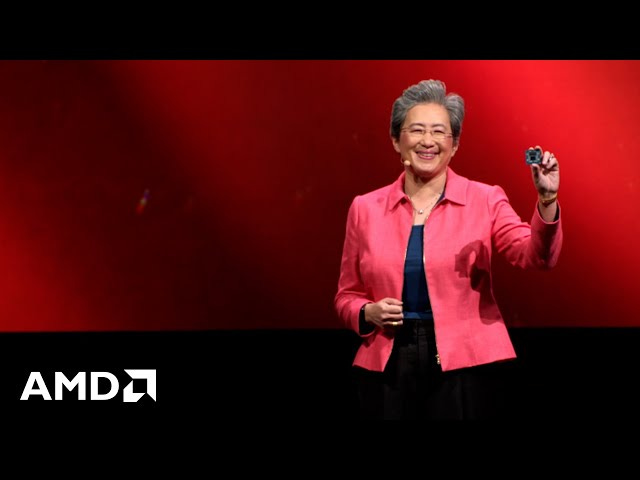
A pivotal declaration has reverberated across the technology landscape: the assertion that cutting-edge computational power is inseparable from artificial intelligence. This claim comes from none other than Lisa Su, who holds the reins at AMD and has consistently positioned the company as a leader in the field of advanced semiconductors. Her perspective underscores a seismic shift—specialized chips and server platforms, once tailored for traditional performance, are now fundamentally architected for deep learning, machine learning, and large-scale data processing.
Fueling this observation is a landmark agreement recently inked between AMD and OpenAI, focused on supplying a massive infrastructure powered by Instinct-series accelerators. The partnership involves a deployment of six gigawatts of GPU capacity, setting a new benchmark for what constitutes a scalable, modern AI infrastructure. This collaboration not only raises the bar for compute intensity but also redefines what enterprises and research institutions expect from server hardware and cloud compute platforms.
The rapid expansion of generative models and natural language processing has created an insatiable demand for hardware capable of handling immense computational workloads. The old paradigm—where raw processor speed defined leadership—has given way to a new hierarchy in which flexibility, optimized throughput, and synergistic hardware-software designs define the winners. Instinct MI450 accelerators, with a roadmap for continuous innovation, are now at the heart of this effort, answering mounting requirements in scale-out AI clusters.

Hypersonic Jet Revolution: New York to London in 60 Minutes
Venus Aerospace, a Texas-based company, is on the verge of revolutionizing aviation with its innovative Stargazer hypersonic jet, a groundbreaking aircraft capable of reducing transatlantic flight times dramatically. Designed to reach speeds of Mach 6—six times the speed of sound—the Stargazer makes it possible to travel from New York to London in just 60 minutes, a fraction of the current seven-hour journey.
This innovation represents a leap forward in aviation technology, offering not only faster travel times but also the potential to transform global connectivity and commerce. The Stargazer hypersonic jet is a testament to Venus Aerospace’s commitment to pushing the boundaries of what’s possible in aviation. By combining speed, efficiency, and sustainability, the company is positioning itself as a leader in the next generation of air travel.
As the Stargazer prepares to take flight, the world watches with anticipation. Could hypersonic travel become the new norm for long-distance journeys? Venus Aerospace is betting on it—and their bold vision just might take us there.
How SpaceX Became the World’s Most Valuable Private Company
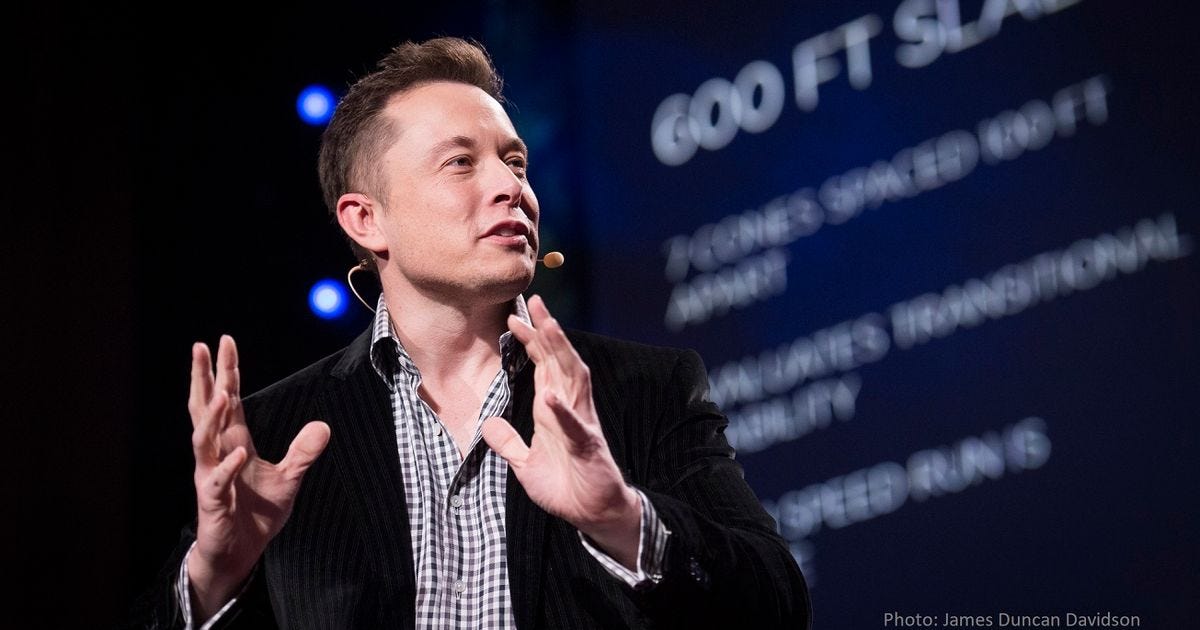
SpaceX, founded by Elon Musk in 2002, has become one of the most influential and valuable private companies on Earth, shattering conventions of the traditional aerospace sector. At its core, SpaceX began as an audacious gamble: Musk wanted to transform our relationship with space by lowering costs and turning once-impossible goals into tangible achievements. Driven by an unwavering obsession with colonizing Mars, he saw an urgent need to reignite humanity’s exploratory spirit. Many people doubted this bold vision, insisting that founding a rocket company was too risky, especially for an entrepreneur whose fortune came from tech ventures like PayPal. Yet Musk’s commitment to a multi-planetary future was unshaken, and his passionate focus has steered SpaceX toward its extraordinary rise.
Midnight Announces Release of Vision–Language Dataset for Asset Creation
Today we announce the release of a new dataset designed to train vision–language models (VLMs) for asset creation across the defense sector and other complex industries. Built for teams developing multimodal systems that must understand real-world assets with clarity and consistency, the dataset pairs strong visual coverage with structured labeling to support robust learning and reliable outputs.
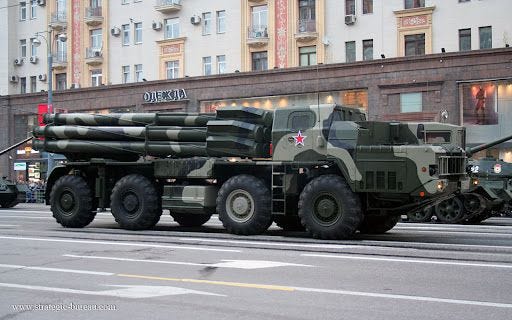
The first showcased instance in this release focuses exclusively on BM-30 Smerch, presented through 400 carefully selected images capturing meaningful variation in viewpoint, context, and appearance. This depth is intended to help models learn beyond “what it is” and toward how it is represented—the visual and linguistic patterns that enable accurate identification, structured description, and asset-focused generation workflows.
Asset creation in defense and adjacent sectors demands more than generic image–text training. It requires datasets that are:
Consistent in labeling and structure
Rich in visual diversity without sacrificing quality
Purpose-built for VLM training and downstream asset pipelines
Practical for evaluation, benchmarking, and controlled iteration
This dataset is a first step toward a broader library of asset-focused training resources spanning multiple sectors where precision, reliability, and interpretability matter.
The dataset is available now at: https://github.com/Midnight-Defense/Dataset